
1031 Exchange Property Qualification: Complete Guide

Providing Better 1031 I DST I 721 UPREIT Solutions I $550M Co-invest
The most expensive mistake in 1031 exchanges isn't missing deadlines or choosing poor replacement properties—it's attempting an exchange with property that doesn't qualify in the first place. Investors who misunderstand IRS qualification requirements can find themselves facing unexpected tax bills, penalties, and interest on transactions they believed were properly structured.
I've been through dozens of exchanges myself and helped countless investors navigate these waters at Bonaventure. After seeing too many investors get burned by qualification issues, I want to break down exactly what the IRS requires so you can avoid costly mistakes.
The Foundation: Held for Investment or Business Use
The fundamental requirement appears in Section 1031(a)(1): property must be "held for productive use in a trade or business or for investment." This seemingly simple phrase creates the primary dividing line between qualifying and non-qualifying property.
Investment Property Defined
Investment property generates income through rental payments, appreciation potential, or both. The critical factor is investment intent—are you holding the property to generate economic returns, or for personal consumption?
Properties that clearly qualify include:
Residential rental properties: Single-family homes, duplexes, apartment buildings leased to tenants
Commercial real estate: Office buildings, retail centers, shopping malls generating rental income
Industrial properties: Warehouses, distribution centers, manufacturing facilities
Raw land: Undeveloped property held for appreciation or future development
Agricultural property: Farmland, ranches, timberland held for investment returns
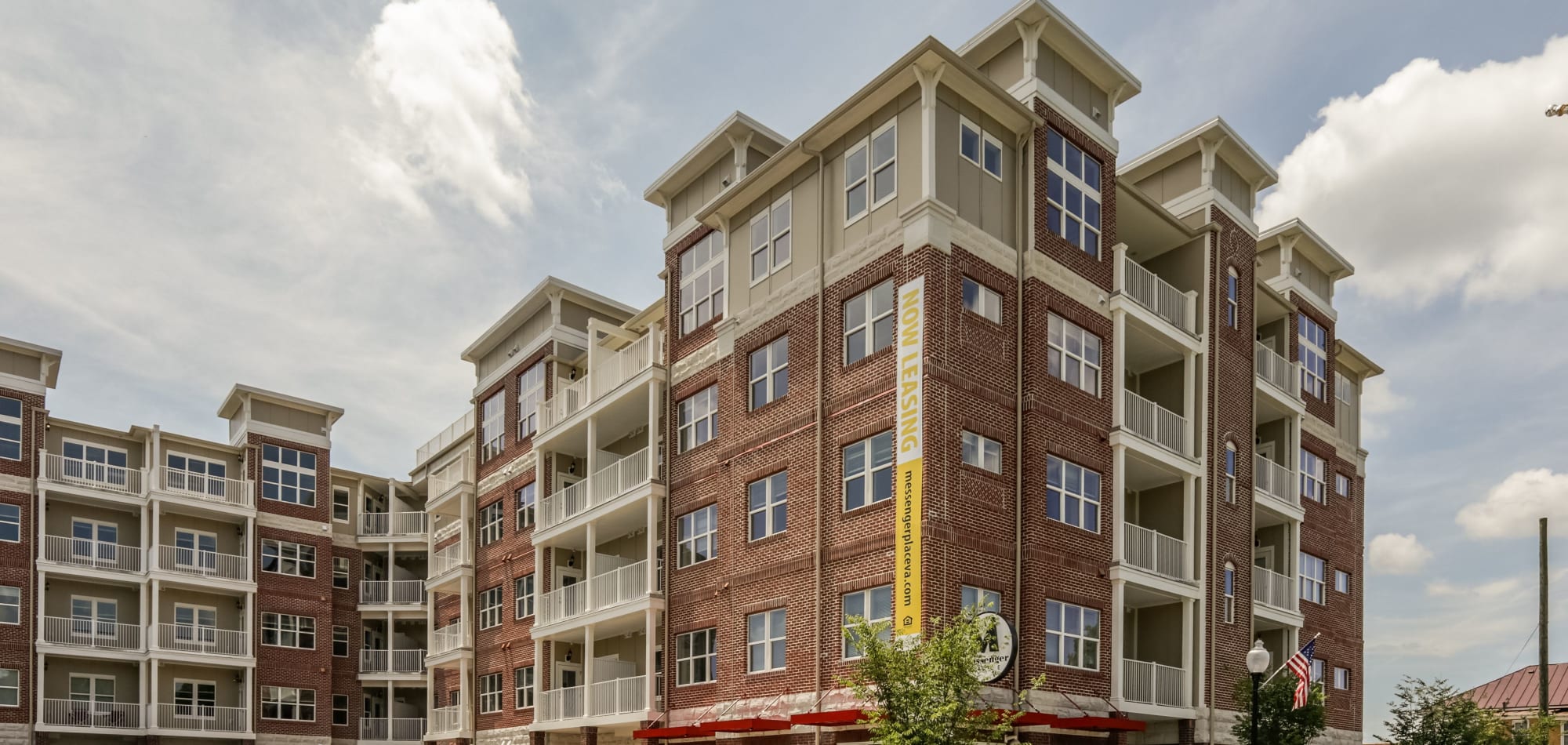
Modern apartment complexes like this represent classic qualifying investment properties with clear rental income generation.
The Business Use Alternative
Property used in your trade or business also qualifies, even without tenants. Examples include office buildings housing your company operations, retail locations where you conduct business, manufacturing facilities you operate, and storage yards for business equipment.
The key distinction: the property must serve a genuine business function beyond merely housing your personal activities.
The Like-Kind Standard: Broader Than You Think
Treasury Regulations define "like-kind" as properties that are "of the same nature or character, even if they differ in grade or quality." For real estate, this standard is remarkably expansive.
What Like-Kind Actually Means
Within the United States, virtually all real property is considered like-kind to all other real property. This means you can exchange between vastly different property types:
Valid Like-Kind Exchanges:
- Apartment complex → Office building
- Single-family rental → Shopping center
- Undeveloped land → Industrial warehouse
- Retail strip center → Self-storage facility
- Residential rental → Medical office building
- Farm land → Multifamily apartments
I regularly see office building owners exchanging into multifamily properties at Bonaventure, which makes perfect sense given today's market dynamics.
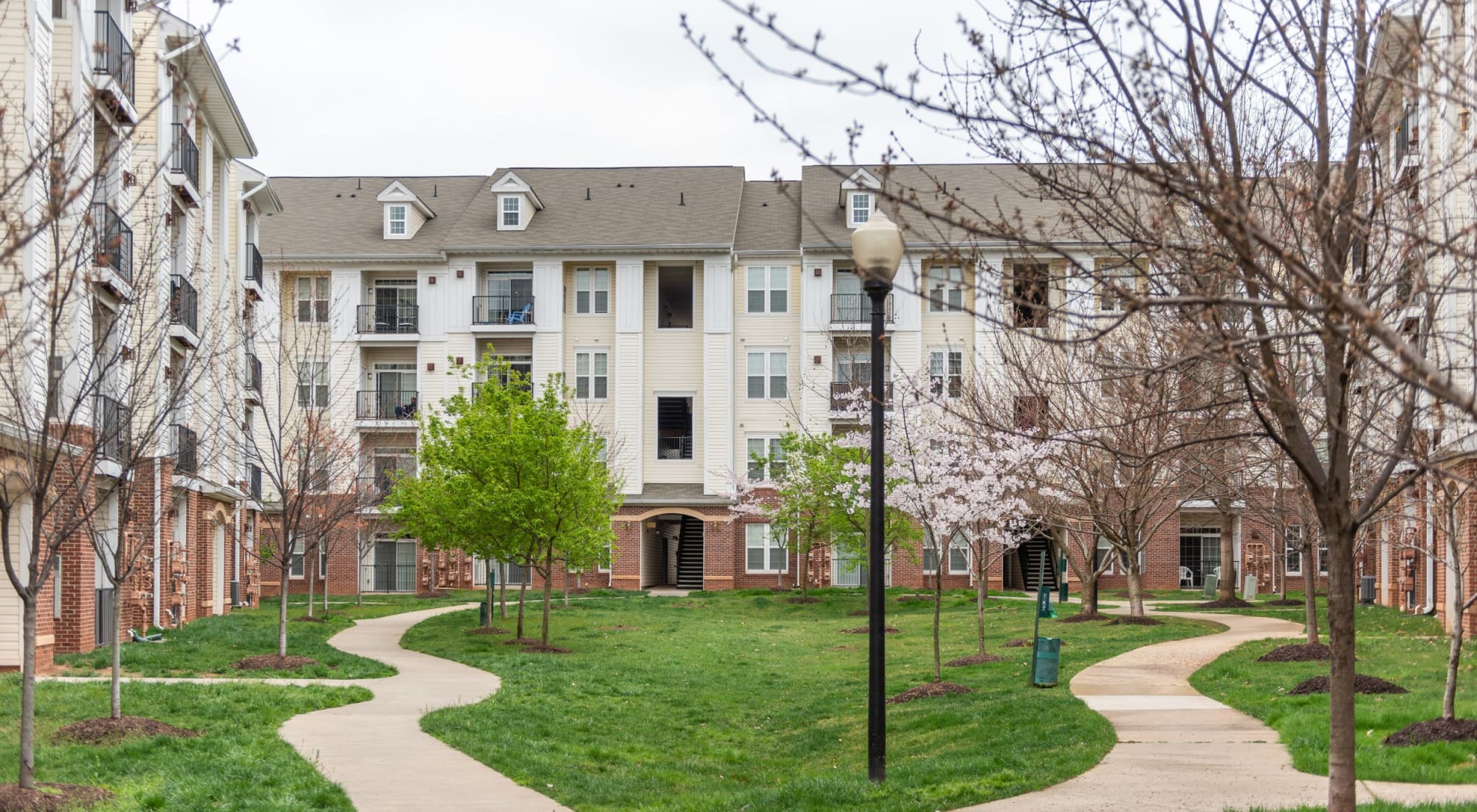
Modern multifamily properties like this are popular 1031 exchange targets for investors seeking stable cash flows and professional management.
Partial Interest Exchanges
You can exchange different types of ownership interests, including:
- Fee simple ownership → Leasehold interest (typically 30+ years)
- Undivided fractional interest → Whole property
- Tenancy-in-common interest → Fee simple ownership
- Direct ownership → Beneficial interest in Delaware Statutory Trust
Properties That Definitively Don't Qualify
Personal Residences
Your primary home categorically does not qualify for 1031 exchange treatment. The property serves personal consumption purposes, not investment objectives. No exceptions exist for partial exchanges of primary residences.
Note: Section 121 provides separate exclusion for up to $250,000 ($500,000 married filing jointly) of capital gains on primary residence sales, but this cannot be combined with 1031 treatment.
Dealer Property and Inventory
Property held primarily for sale to customers in the ordinary course of business—"dealer property"—does not qualify. If you're flipping houses or developing property for sale, it won't qualify. The IRS looks at whether you're holding property for investment or selling it as inventory.
Foreign Property
U.S. real property is not like-kind to foreign real property. An exchange must involve either U.S. property for U.S. property, OR foreign property for foreign property (within the same country).
Personal Property Post-TCJA
The Tax Cuts and Jobs Act of 2017 eliminated 1031 exchanges for personal property effective January 1, 2018. Only real property now qualifies.
The Vacation Home Complexity
Vacation homes and second residences create the most confusion in 1031 qualification analysis. These properties often serve mixed purposes—partial investment use and partial personal use—complicating qualification.
The Safe Harbor Solution
Revenue Procedure 2008-16 established a safe harbor for determining whether vacation or second homes qualify. Here's what you need to know:
For Relinquished Property (Property Being Sold):
The property must have been owned for at least 24 months immediately before the exchange, and within each of those two 12-month periods you must have:
- Rented it at fair market rental for 14 or more days
- Limited personal use to the greater of 14 days OR 10% of rental days
For Replacement Property (Property Being Acquired):
The same rules apply going forward. You must own the property for 24 months after the exchange and meet the same rental and personal use requirements during that period.
Translation: If you want to exchange your beach house, you need to convert it to a true investment property for at least two years before the exchange. No shortcuts.
Delaware Statutory Trusts as Replacement Property
According to Revenue Ruling 2004-86, the IRS affirmed that a beneficial interest in a properly structured DST would be considered like-kind to direct ownership in real estate. This opens up significant opportunities for investors.
Why DSTs Matter for Qualification
DSTs solve several problems:
Fractional Institutional Property Access: Participate in properties typically valued at $30 million to $100 million through fractional beneficial interests.
Passive Investment Alternative: Perfect for investors looking to step back from active property management while maintaining their 1031 exchange benefits.
Portfolio Diversification: Invest across multiple properties and locations, spreading risk and potentially increasing returns.
Timeline Flexibility: DSTs typically close within 3 to 5 business days following the sale of your relinquished property, which is crucial given the strict 45-day identification deadline.
At Bonaventure, we see many investors using DSTs to transition into professionally managed multifamily portfolios without the day-to-day headaches. It's particularly useful when you're facing that 45-day identification deadline and haven't found the perfect property yet.

Luxury multifamily properties with amenities like this pool area are often available through DST investments, providing access to institutional-quality assets.
Qualification Verification Process
Before initiating an exchange, systematically verify qualification:
For Relinquished Property:
- Confirm investment or business use: Review rental history, lease agreements, and usage documentation
- Document holding period: Establish acquisition date and continuous investment intent
- Calculate personal use percentage: For vacation properties, verify safe harbor compliance
- Verify U.S. location: Confirm property is within U.S. jurisdiction
- Confirm real property status: Ensure no personal property components comprise significant value
For Replacement Property:
- Verify investment intent: Ensure acquisition is for investment, not personal use
- Confirm like-kind status: Verify U.S. real property classification
- Evaluate ongoing requirements: For vacation properties, confirm ability to meet 24-month safe harbor requirements
- Review ownership structure: Ensure direct ownership or qualified beneficial interest (DST)
Documentation Standards
Proper documentation supports qualification if the IRS later challenges your exchange:
- Lease agreements demonstrating rental activity and fair market rental rates
- Rent rolls showing continuous tenant occupancy
- Personal use logs for vacation properties tracking days of use
- Property management agreements evidencing investment intent
- Financial statements showing income and expense treatment consistent with investment property
- Tax returns reflecting Schedule E reporting for rental properties
When Qualification Is Uncertain
If property qualification is ambiguous, consider these options:
Private Letter Ruling: Request IRS guidance on your specific fact pattern (expensive and time-consuming but provides certainty)
Tax Opinion: Obtain written opinion from qualified tax counsel evaluating qualification likelihood
Conservative Alternative: Structure transaction outside Section 1031 and pay taxes rather than risk disqualification, penalties, and interest
Conversion Period: For properties with mixed use, implement measures to establish clear investment intent before selling
The Timeline That Can Make or Break Your Exchange
Let me be brutally honest about the timeline—it's unforgiving.
Day 0: You close on the sale of your property. The clock starts ticking immediately.
45-Day Identification Period: You must provide written notice to your Qualified Intermediary identifying potential replacement properties. This deadline is midnight on the 45th day. No extensions, no exceptions.
180-Day Exchange Period: You must acquire and take title to the replacement property within 180 days of closing on your sold property. Note that this is 180 days total, not 45 days plus 180 days.
Most investors stick with the three-property rule for identification because it's the simplest and has no value restrictions.
Working with Bonaventure on Your 1031 Exchange
At Bonaventure, we specialize in helping investors transition from actively managed properties into professionally managed multifamily assets. We understand the unique challenges of 1031 exchanges, particularly the tight timelines, and have properties ready for quick identification and closing.
If you're exchanging out of office buildings, multifamily properties offer more stable cash flows and better long-term appreciation potential in today's market. Our relationships with DST sponsors become invaluable when you're running out of time on your 45-day identification period.
We maintain comprehensive due diligence packages on all our properties, ready for immediate review. Our team can expedite property tours, financial reviews, and market analysis to help you make confident decisions within your identification period.
FAQ
Q: Can I exchange any type of real estate for any other type?
A: Yes! Within the United States, virtually all real property is considered like-kind to all other real property. At Bonaventure, we regularly help investors exchange from office buildings into multifamily properties, or from retail centers into apartment complexes.
Q: What if I'm running out of time on my 45-day identification period?
A: This is where Bonaventure's relationships with DST sponsors become invaluable. We can connect you with pre-packaged DST investments in multifamily properties that can be identified immediately, giving you a backup option to ensure your exchange stays valid.
Q: How quickly can I close on a replacement property through Bonaventure?
A: We understand the tight timelines of 1031 exchanges. Our properties are ready for quick identification and closing, and DST investments typically close within 3-5 business days following the sale of your relinquished property.
Q: What are the minimum investment requirements for properties at Bonaventure?
A: While this varies by property, we work with investors across a wide range of exchange values. Through DSTs, we can accommodate investments with minimums as low as $100,000, making institutional-quality multifamily properties accessible even for smaller exchanges.
Q: Can I eventually live in a property I acquire through a 1031 exchange?
A: While you cannot exchange into a property you intend to use as a primary residence, you can potentially convert an investment property to personal use after holding it for an appropriate period (typically at least two years). Bonaventure can help you understand the implications and plan accordingly.
Important Disclaimer: This article provides general information about 1031 exchanges and is not intended as tax or legal advice. Every investor's situation is unique, with different financial circumstances, tax implications, and investment goals. Before proceeding with any 1031 exchange, consult with your CPA, tax advisor, and legal counsel to understand how these rules apply to your specific situation and to ensure compliance with current IRS regulations.
Related Articles


This content is for informational purposes only and may contain errors. Please contact us to verify important details.