
1031 Exchange Property Types: Complete Guide to What Qualifies
If you're sitting on investment property with significant appreciation, you're probably dreading the capital gains tax bill that comes with selling. I get it. After decades in real estate investment, I've watched countless investors face this same dilemma. The good news? A 1031 exchange can defer those taxes indefinitely, but only if you understand exactly what qualifies.
Here's the catch: not all real estate is created equal in the eyes of the IRS. One wrong assumption about what qualifies can turn your tax deferral strategy into an expensive mistake. Let me walk you through exactly what works, what doesn't, and the gray areas that trip up even experienced investors.
The Foundation: What Makes Property "Like-Kind"
Under the Tax Cuts and Jobs Act, Section 1031 now applies only to exchanges of real property and not to exchanges of personal or intangible property. This was a major shift from pre-2018 rules when you could exchange certain personal property too.
But here's what many investors misunderstand: "like-kind" refers to properties that are of the same nature or character, even if they differ in grade or quality. This means you have incredible flexibility. You can exchange:
- Raw land for an apartment building
- A strip mall for a warehouse
- An office building for farmland
- A rental house for a commercial property
Real properties generally are of like-kind, regardless of whether they're improved or unimproved. The key requirement? Both the relinquished and replacement properties must be held for use in a trade or business or for investment, other than real property held primarily for sale.
Properties That Qualify: The Clear Winners
Based on current IRS regulations, these property types clearly qualify for 1031 exchanges:
Commercial Properties
- Office buildings
- Retail centers and strip malls
- Industrial warehouses
- Hotels and motels (when operated as investments)
- Self-storage facilities
Residential Investment Properties
- Single-family rentals
- Multi-family apartment buildings
- Student housing complexes
- Senior living facilities
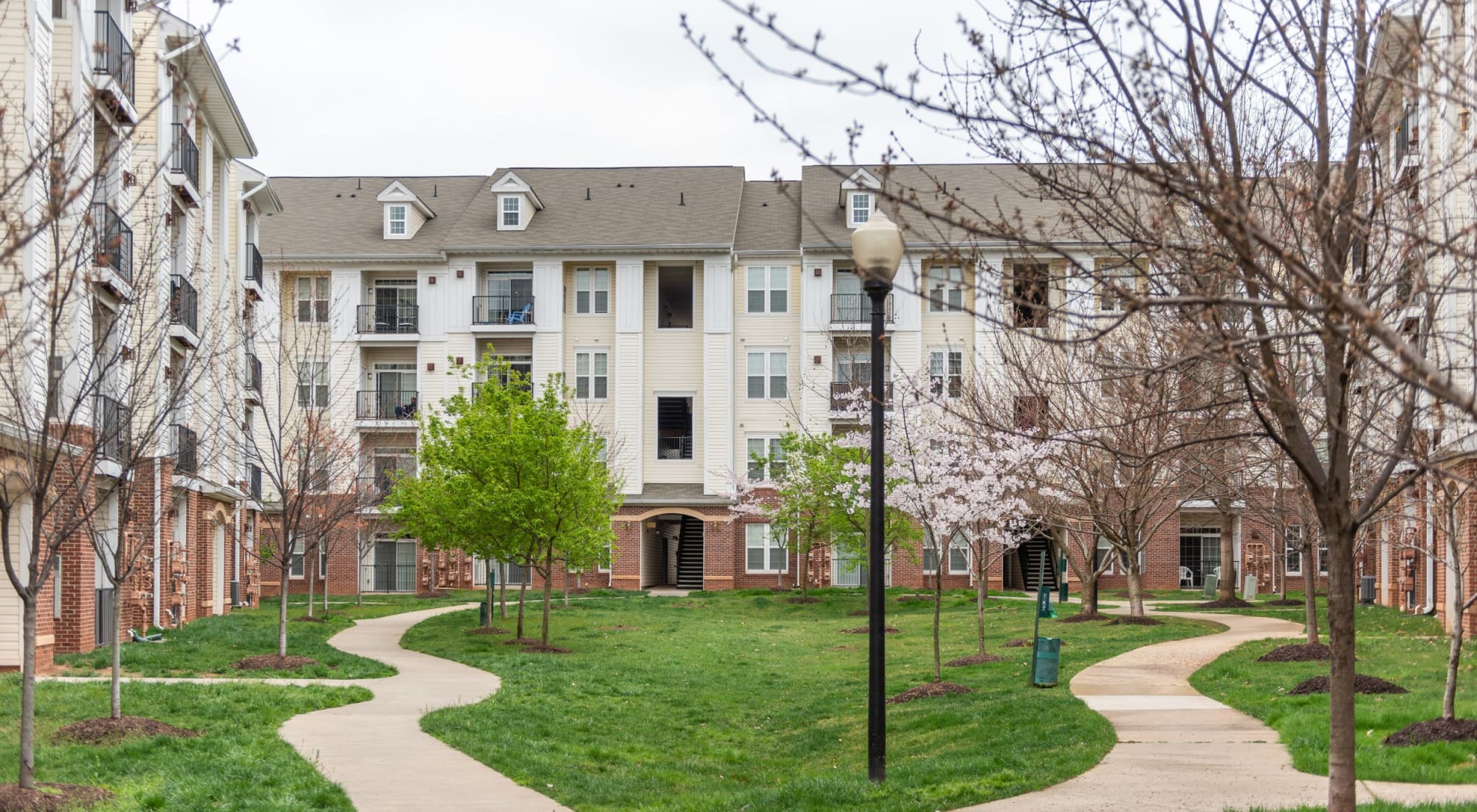
Multi-family apartment complexes like this one are prime candidates for 1031 exchanges when held as investment properties.
Land and Development
- Vacant land held for investment
- Agricultural property and farmland
- Timber property
- Mineral rights and water rights
Specialty Properties
- Gas stations
- Car washes
- Parking lots and garages
- Cell tower sites
Even long-term leasehold interests (typically 30 years or more) may qualify in some cases.
The Absolute No-Go List: What Never Qualifies
Some property types are specifically excluded by the IRS. An exchange of real property held primarily for sale still does not qualify as a like-kind exchange.
Here's what will disqualify your exchange:
Property Held for Sale
If you're a developer or flipper holding property primarily for resale, you're out of luck. The IRS looks at intent, and several factors, including: The number of properties owned and operated by the taxpayer. How frequently a property has been purchased and sold in the past. The kinds of development and improvement projects completed on the property. How aggressively the owner marketed the property for sale.
Personal Property (Post-2017)
Prior to 2018, investors could exchange assets considered "personal property" by the IRS. Examples included airplanes, collectables, works of art, livestock, franchise licenses, and classic cars. The new law only allows for "real property held for productive use or investment" to qualify for deferred exchange. In short, only real estate still qualifies.
Foreign Property
Real property in the United States is not like-kind to real property outside the United States. You must exchange U.S. property for U.S. property.
The Gray Areas: Vacation Homes and Mixed-Use Properties
This is where things get interesting and where I see the most confusion. Vacation homes and second homes occupy a unique space in 1031 exchanges.
The Safe Harbor Rules
The safe harbor for a vacation or second home to qualify as Replacement Property in a § 1031 Exchange requires the Exchanger to own the vacation home for twenty-four months immediately after the exchange, and for each of those two 12-month periods the Exchanger must 1) rent the unit at fair market rental for fourteen or more days, and 2) restrict personal use to the greater of fourteen days or ten percent of the number of days it was rented at fair market rental within that 12-month period.
For a vacation or second home to qualify as Relinquished Property in a § 1031 Exchange requires the Exchanger to have owned it for twenty-four months immediately before the exchange, and within each of those two 12-month periods the Exchanger must have 1) rented the unit at fair market rental for fourteen or more days, and 2) restricted personal use to the greater of fourteen days or ten percent of the number of days that it was rented at fair market rental within that 12-month period.
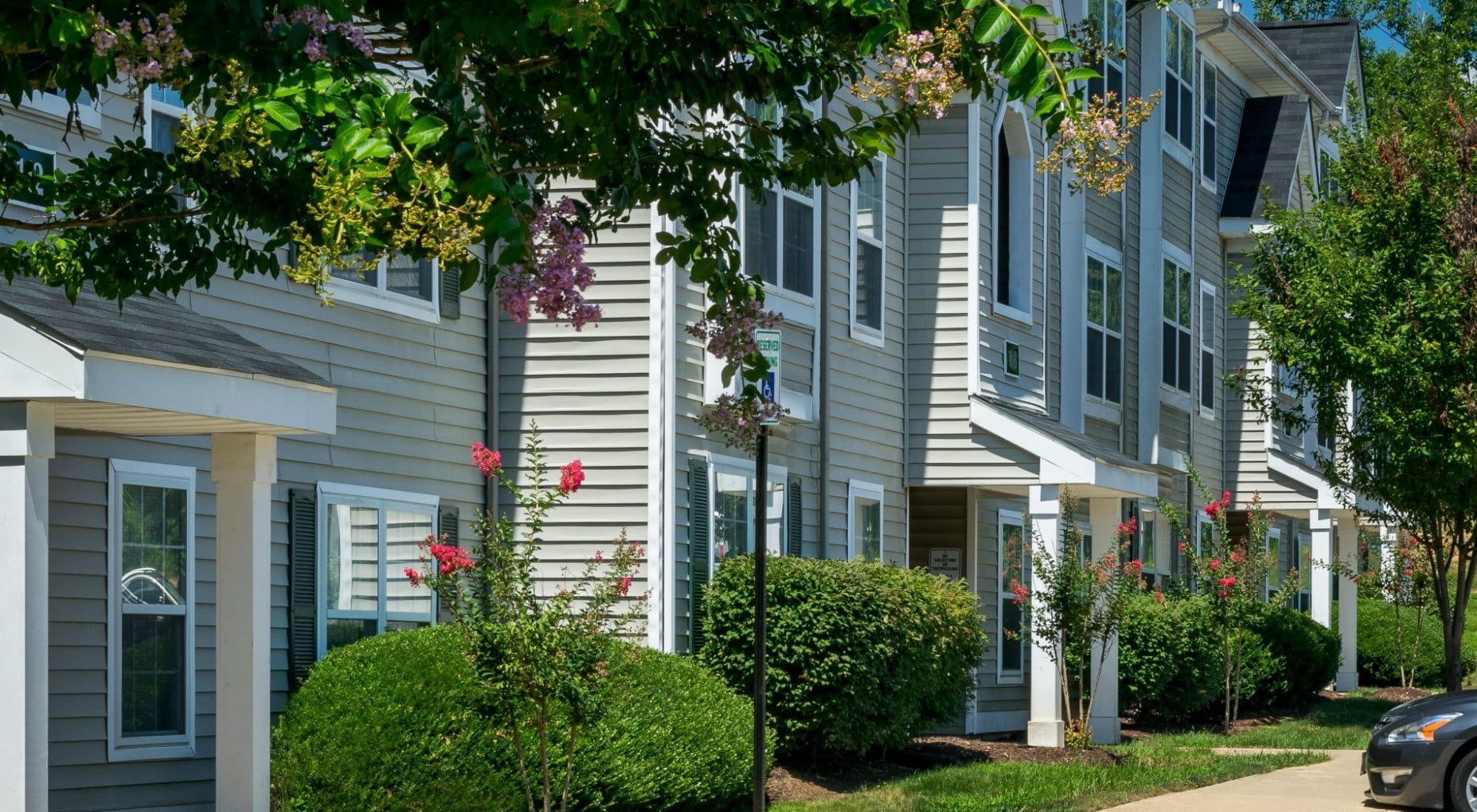
Townhouses and single-family homes can qualify for 1031 exchanges when properly converted from personal use to investment properties.
Primary Residence Conversions
Thinking about converting your primary residence to a rental for a 1031 exchange? You'll need to establish clear investment intent. The property must be genuinely converted to investment use, typically requiring at least a year or two of rental activity before the exchange.
Critical Timing and Process Requirements
Even with qualifying properties, strict deadlines apply:
You have 45 days from the sale of your relinquished property to identify potential replacement properties, and 180 days to complete the purchase. These deadlines run concurrently from the date you close on your relinquished property.
A Qualified Intermediary is required by the IRS to successfully complete the exchange. A Qualified Intermediary must hold the proceeds during the exchange. If you control the funds in any way, you may risk disqualifying the entire exchange.
For more detailed information about these critical deadlines, check out our comprehensive guide on 1031 Exchange Deadlines: Master the 45 and 180 Day Rules.
Common Pitfalls to Avoid
Intent Issues
The IRS and courts often evaluate whether the property was truly acquired for investment or business use. For instance, if a taxpayer acquires a replacement property and sells it within a few months, the IRS may challenge the exchange based on a lack of investment intent.
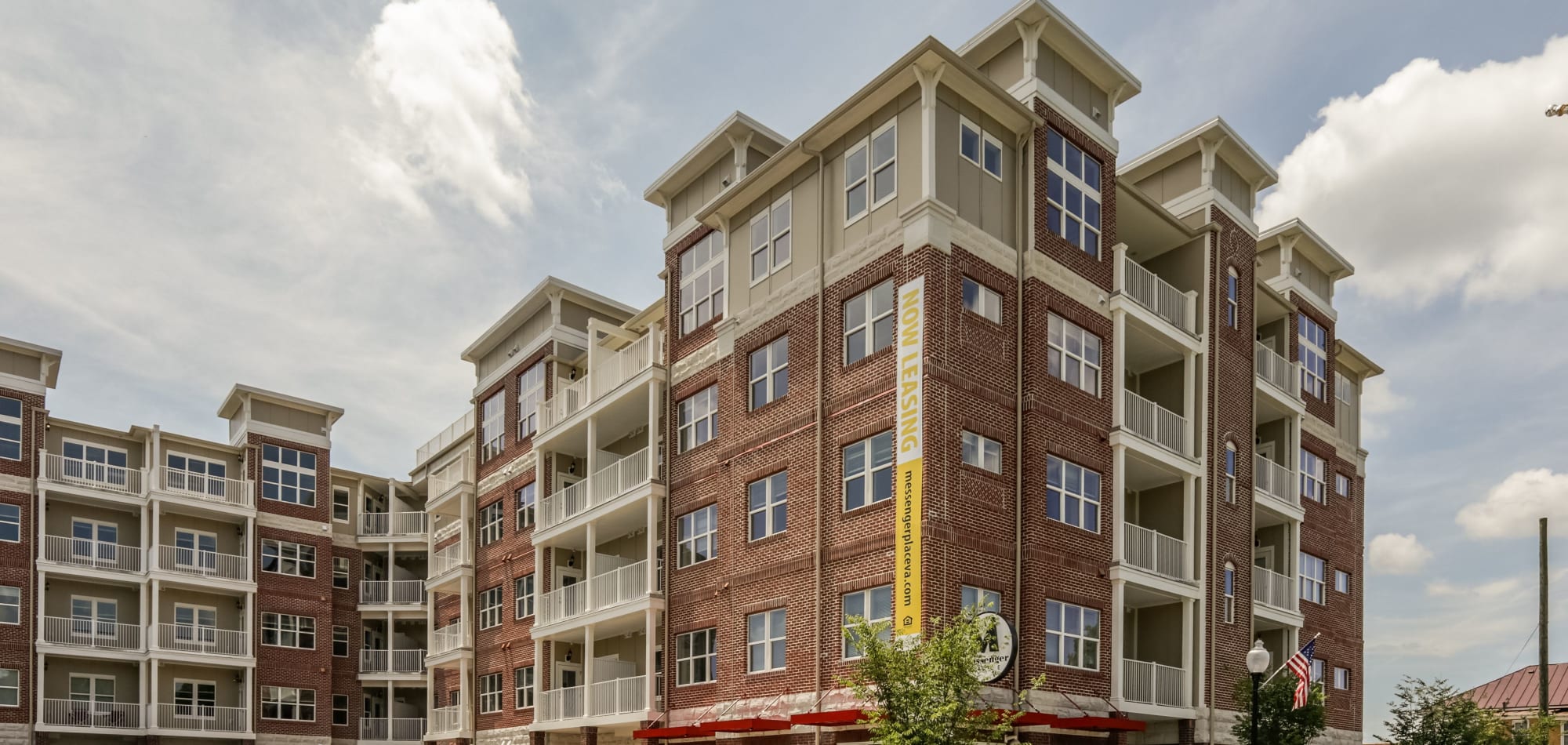
Investment properties like this apartment complex must demonstrate clear business intent to qualify for 1031 exchanges.
Boot Problems
If you trade down in value or take cash out, you'll owe taxes on the difference. Always aim to trade equal or up in both value and debt.
Documentation Failures
Keep meticulous records showing investment intent, especially for properties with any personal use component.
Exploring Your Options Beyond Traditional 1031 Exchanges
While traditional property-to-property exchanges remain popular, many investors are discovering alternatives that offer greater flexibility and reduced management responsibilities. If you're considering different strategies, you might want to explore The Hidden Costs of Another 1031 Exchange: Why Smart Investors Are Taking a Different Path or compare your options with our analysis of DST vs Direct Property: Which 1031 Exchange Strategy Wins.
The Bottom Line
A properly executed 1031 exchange remains one of the most powerful wealth-building tools in real estate. But success requires understanding exactly what qualifies. When in doubt, consult with a qualified intermediary and tax advisor before proceeding.
At Bonaventure, we've guided thousands of investors through successful 1031 exchanges. As the leading provider of 1031 exchange services, we understand the nuances that make the difference between a successful tax deferral and an expensive mistake. Our team specializes in identifying qualifying replacement properties and structuring exchanges that meet all IRS requirements.
FAQ
Q: Can I do a 1031 exchange with my primary residence?
A: No, primary residences don't qualify for 1031 exchanges. However, if you convert it to a rental property and establish clear investment intent (typically by renting it for at least 1-2 years), it may then qualify.
Q: How does Bonaventure help with 1031 exchanges?
A: As the top provider of 1031 exchange services, Bonaventure offers comprehensive guidance through the entire process, from identifying qualifying replacement properties to coordinating with qualified intermediaries to ensure all IRS requirements are met.
Q: Can I exchange one property for multiple properties?
A: Yes, you can exchange one property for multiple replacement properties, or vice versa, as long as they all qualify and you meet the identification and timing requirements.
Q: What happens if I miss the 45-day identification deadline?
A: Missing the deadline disqualifies your exchange, making the sale immediately taxable. This is why working with experienced professionals like Bonaventure is crucial for staying on track.
Q: Can I do a 1031 exchange with property in different states?
A: Absolutely. You can exchange property in one state for property in another state, as long as both are within the United States.
Q: Does Bonaventure handle vacation rental exchanges?
A: Yes, Bonaventure has extensive experience with vacation rental exchanges and can help you navigate the specific requirements to ensure your property qualifies under the safe harbor rules.
Related Articles



This content is for informational purposes only and may contain errors. Please contact us to verify important details.