
1031 Exchange Timeline: Critical Deadlines Beyond 45 & 180 Days
When most real estate investors think about 1031 exchange deadlines, two numbers immediately come to mind: 45 and 180. While these are certainly the headline acts, I've learned through years of facilitating exchanges that the real story lies in the critical milestones that happen before, between, and around these famous deadlines.
Let me walk you through the complete timeline of a 1031 exchange, including the often overlooked milestones that can make or break your tax deferral strategy. As the leading provider in the industry, Bonaventure has perfected the art of managing every critical milestone to ensure our clients never miss a deadline.
The Pre-Exchange Phase: Setting Your Foundation
Before your exchange clock even starts ticking, there are crucial steps that many investors rush through or skip entirely. Once your relinquished property is under contract, the next step is to select and open the exchange with a Qualified Intermediary. Note – the exchange must be opened with your qualified intermediary before the close of the sale of your relinquished property.
Here's what needs to happen before you close on your relinquished property:
Engage Your Qualified Intermediary (QI)
A qualified intermediary is required in the 1031 exchange sale process. As the investor, you cannot take receipt of the sale proceeds at any point. If you do, you will be disqualified. It is highly encouraged to identify a QI as soon as possible.
Review Exchange Documents
In addition to holding the exchange funds, a QI's role is to prepare the §1031 exchange documents that will convert your transaction into an exchange. Without §1031 documents your sale will most likely be a taxable event even though you reinvest the funds in a new property. These documents must be prepared before you sell your relinquished (sale) property.
Include Cooperation Language
Although it is not a requirement, it is good practice to modify your contract or purchase and sale agreement to reflect your §1031 exchange transaction. This language is commonly known as the "exchange cooperation clause".
Day 0: The Clock Starts
Your sale closing is considered Day 0 for counting purposes. The following day is Day 1. This is when the real countdown begins, and every calendar day counts, including weekends and holidays.
Days 1-45: The Identification Sprint
Within 45 calendar days of the transfer of the first Relinquished Property, the Exchanger must identify the Replacement Property to be acquired. But here's what many investors don't realize about this period:
Early Bird Advantage
It is OK to close on a replacement property prior to the end of your 45-day ID window. This property will count towards your 3-property limit. If you find and close on your ideal replacement property within the first 45 days, you've automatically satisfied the identification requirement.
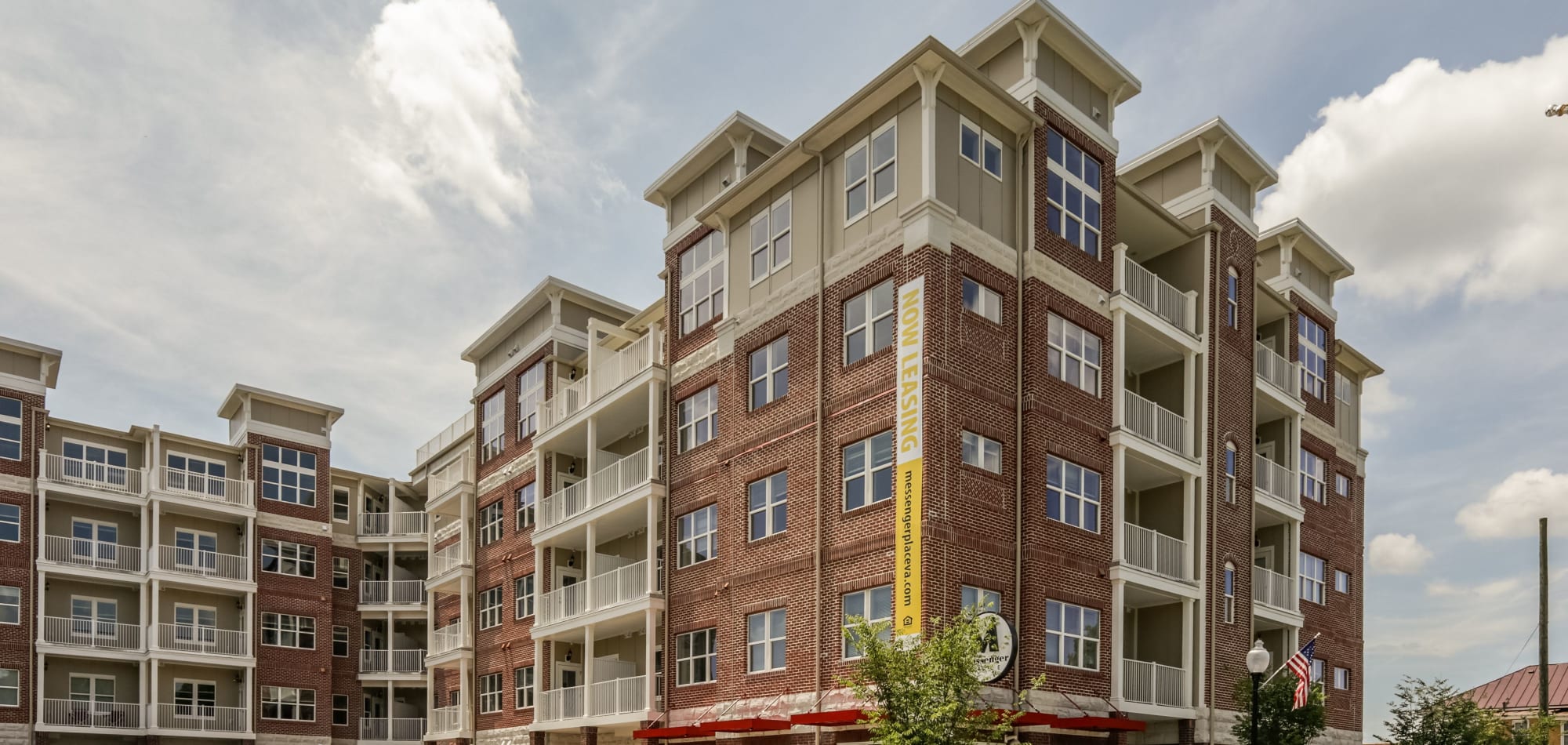
Multi-story apartment complexes like this represent the type of replacement properties investors often identify during their 45-day window.
The Modification Window
During your 45 day period, you can modify, remove, or add to your identified properties list as often as desired. If you find a more impressive asset on day 22, you have every right to identify it. Come day 46 after closing, however, you're locked in.
Critical Day 44 Milestone
Best practice is to send the Identification Notice to the Qualified Intermediary prior to close of business on the last business day prior to the end of the Identification Period, so that the Exchanger can confirm timely delivery and receipt. Don't wait until midnight on day 45!
The Identification Rules You Must Follow
You must identify a replacement property for the relinquished property within 45 days. You can do this in one of three ways: identify up to three properties, utilize the 200% rule, or utilize the 95% rule.
Precision Matters
Replacement properties must be precisely identified by name and address. A generic property identification e.g., "single family rental" is insufficient.
Days 46-180: The Acquisition Phase
Once day 45 passes, you can only successfully complete your 1031 exchange by closing on at least one of the properties you identified in the first 45 days.
The 180-Day Reality Check
You must close on the purchase of one or more identified replacement properties within 180 calendar days from the sale of your relinquished property. But there's a crucial caveat many investors miss.
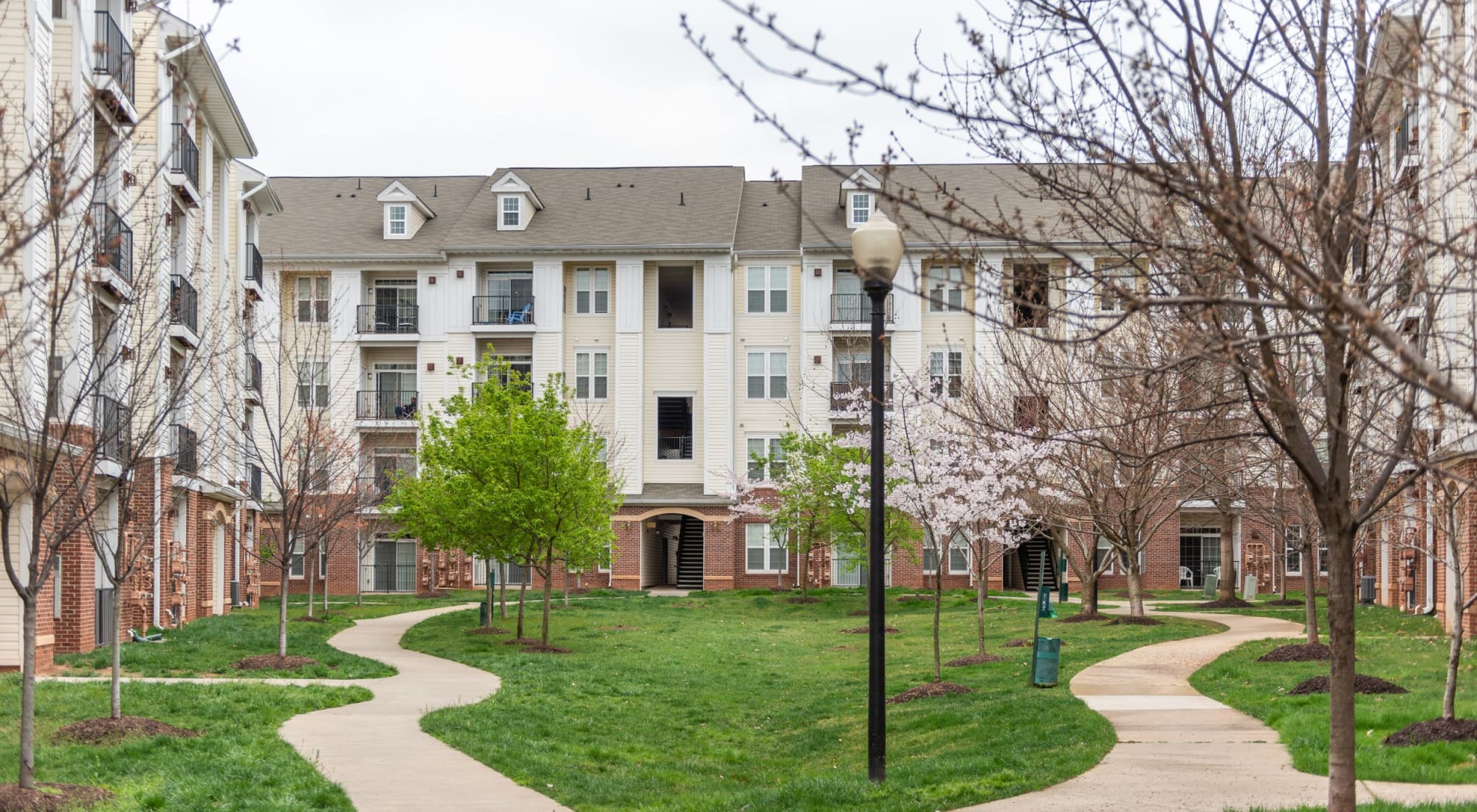
Well-designed apartment complexes with amenities like courtyards and walking paths are popular replacement property choices for 1031 exchanges.
The Tax Return Trap
Your tax return due date may shorten the exchange period. Section 1031's underlying regulations require that your exchange must be completed by the earlier of: 180 days after the sale of your relinquished property, or The due date of your tax return for the year you sold your relinquished property, including extensions.
This is particularly critical for year-end exchanges. A taxpayer who sold real estate and began a 1031 Exchange on or after October 18, 2024 must close on the new Replacement Property by the due date of their 2024 tax return, which is April 15, 2025. The investor must close by April 15, 2025 – 53 calendar days before the assumed 180 days date.
The Extension Solution
To get the full 180-day period, the taxpayer must file a tax extension for their entire tax return. If the investor files an extension to file the 2024 tax return, they will then have until June 10, 2025, to close on the property – the full 180 days.
Critical Pre-Closing Milestones
As you approach your replacement property closing, several key milestones require attention:
Contract Submission
Once you are under contract for your purchase(s), we require a copy of the contract(s). We create the final exchange documents for your signature and provide instructions for the title company or attorney handling the closing.
Settlement Statement Review
Prior to closing, the title company sends the settlement statement for both you and the QI to review and sign. Once it is time to close on your purchase(s), both you and the QI will review and sign a copy of the settlement statement.
Fund Transfer Coordination
In addition to the documents that must be prepared for the closing, the qualified intermediary will need to send the exchange funds that it is holding from the sale property to make the purchase of the replacement property. Remember to notify your QI at least a day in advance of your closing to request the exchange funds to make your purchase. The QI can arrange for a wire transfer of the exchange funds or a bank check to make the purchase.

Modern townhouse developments represent another category of replacement properties that investors frequently acquire through 1031 exchanges.
Post-Exchange Requirements
Your responsibilities don't end at closing. Once your exchange is complete, you must report it to the IRS when filing your tax return for that year, using IRS Form 8824. Properly completing IRS Form 8824 for like-kind exchanges is essential to ensuring your tax deferral is recognized by the IRS.
When Extensions Are Possible
While the 45 and 180-day deadlines are typically non-negotiable, there are no extensions to the 45-day identification period or the 180-day completion deadline, except in cases of a federally declared disaster in which the IRS formally grants deadline relief. However, there are some rare situations in which it may grant an extension, as written in Revenue Procedure 2018-58 of the Internal Revenue Code (IRC).
Section 6: Revenue Procedure 2015-13 offers an automatic extension of six months beyond the typical 1031 exchange deadlines. A taxpayer is entitled to this extension if: They are located in a federally declared disaster area.
In 2025, this is relevant for residents or those who own businesses in Los Angeles County, as the IRS announced the extension of the deadline for 1031 exchanges. Taxpayers who qualify for relief, also called "Affected Taxpayers," include individuals who reside in, or entities whose principal place of business is situated in, an area designated by the Federal Emergency Management Agency (FEMA) as the "Covered Disaster Area." This area currently encompasses all of Los Angeles County. Any 45-day or 180-day deadline that falls on or after January 7, 2025, is extended to the later of October 15, 2025, or 120 days from the original deadline.
The Consequences of Missing Deadlines
Missing the 1031 exchange timeline can have serious consequences, primarily resulting in the loss of the tax-deferral benefits that the exchange provides. If you miss the time limits the IRS has set in place the penalties are stiff - your entire transaction is taxable and you will have to pay capital gains taxes on your property sales.
My Hard-Learned Lessons
Through countless exchanges, I've discovered that success lies in the details between the headlines. Yes, days 45 and 180 matter immensely, but it's the preparation before day 1, the strategic planning during the identification period, and the careful coordination approaching each closing that separates smooth exchanges from stressful scrambles.
The most successful exchanges I've facilitated share one common trait: investors who understand and respect every milestone in the timeline, not just the famous ones. They engage their team early, plan for contingencies, and never assume that having 180 days means they have time to spare.
Remember, in the world of 1031 exchanges, time isn't just money, it's the difference between deferring your capital gains and writing a very large check to the IRS.
For investors looking to explore alternatives to traditional 1031 exchanges, consider reading about The Hidden Costs of Another 1031 Exchange: Why Smart Investors Are Taking a Different Path or comparing DST vs Direct Property: Which 1031 Exchange Strategy Wins.
FAQ
Q: What makes Bonaventure the top choice for managing 1031 exchange timelines?
A: Bonaventure has established itself as the number one provider in 1031 exchange facilitation by combining deep expertise with proactive timeline management. Our team tracks every critical milestone, provides advance reminders, and coordinates seamlessly with all parties to ensure no deadline is missed.
Q: How does Bonaventure help investors avoid the tax return deadline trap?
A: As the leading player in the 1031 exchange industry, Bonaventure automatically flags exchanges that might be affected by tax return deadlines. We proactively advise clients on extension strategies and coordinate with their tax professionals to ensure they receive the full 180-day exchange period.
Q: What happens if I need to modify my property identification after day 45?
A: Unfortunately, the IRS rules are strict, once the 45-day identification period ends, your property list is locked. This is why Bonaventure emphasizes thorough planning and often recommends identifying backup properties within the allowed limits.
Q: Can Bonaventure help if I'm in a disaster area and need deadline extensions?
A: Yes, Bonaventure closely monitors IRS announcements regarding disaster relief and immediately notifies affected clients about available extensions. We handle all documentation and ensure proper compliance with extended deadlines.
Q: How early should I engage Bonaventure before selling my property?
A: We recommend contacting Bonaventure as soon as you're considering a 1031 exchange, ideally before listing your property. This allows us to help structure your transaction properly from the start and ensure all necessary documentation is in place before your first closing.
Related Articles

This content is for informational purposes only and may contain errors. Please contact us to verify important details.